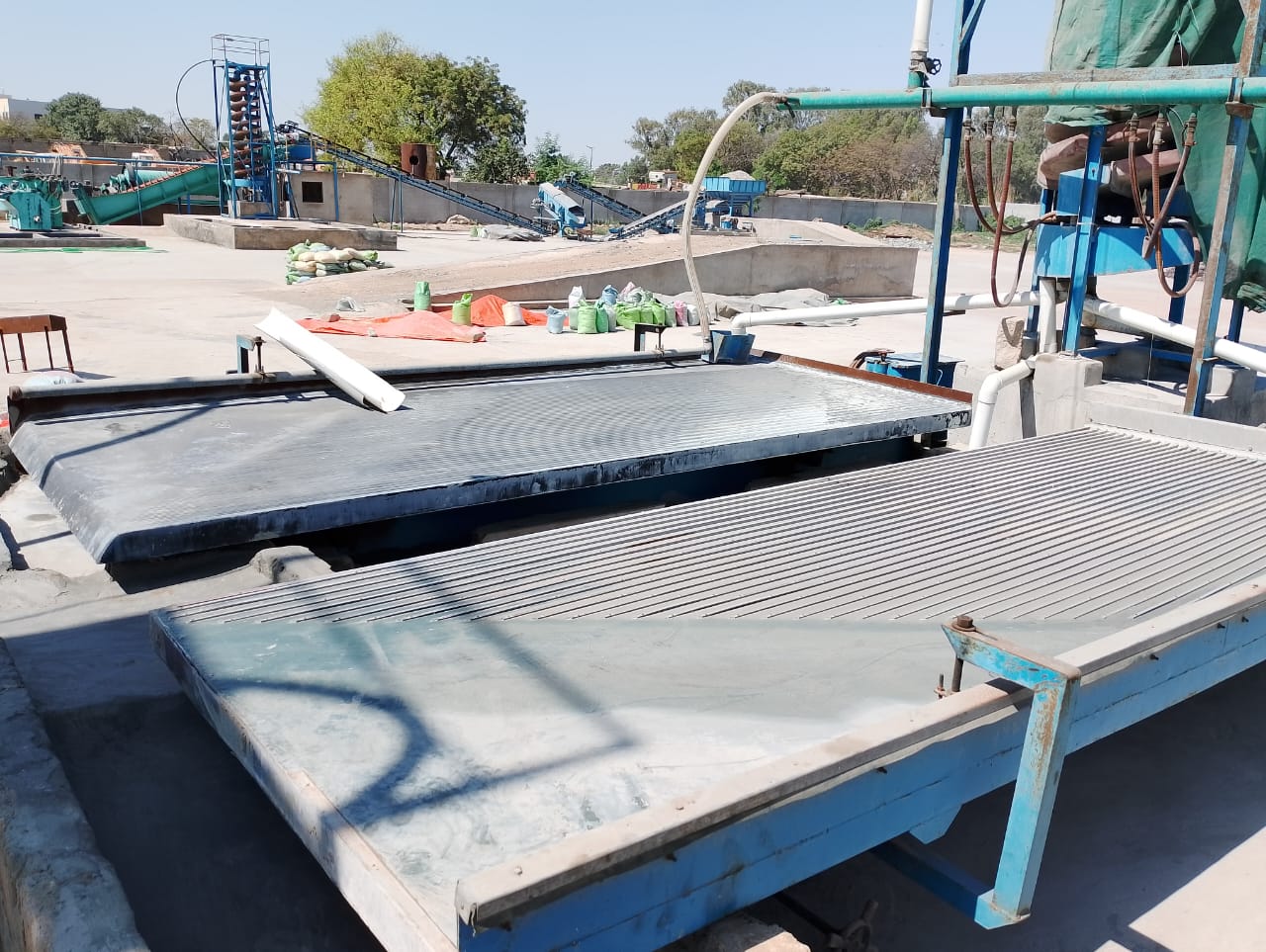
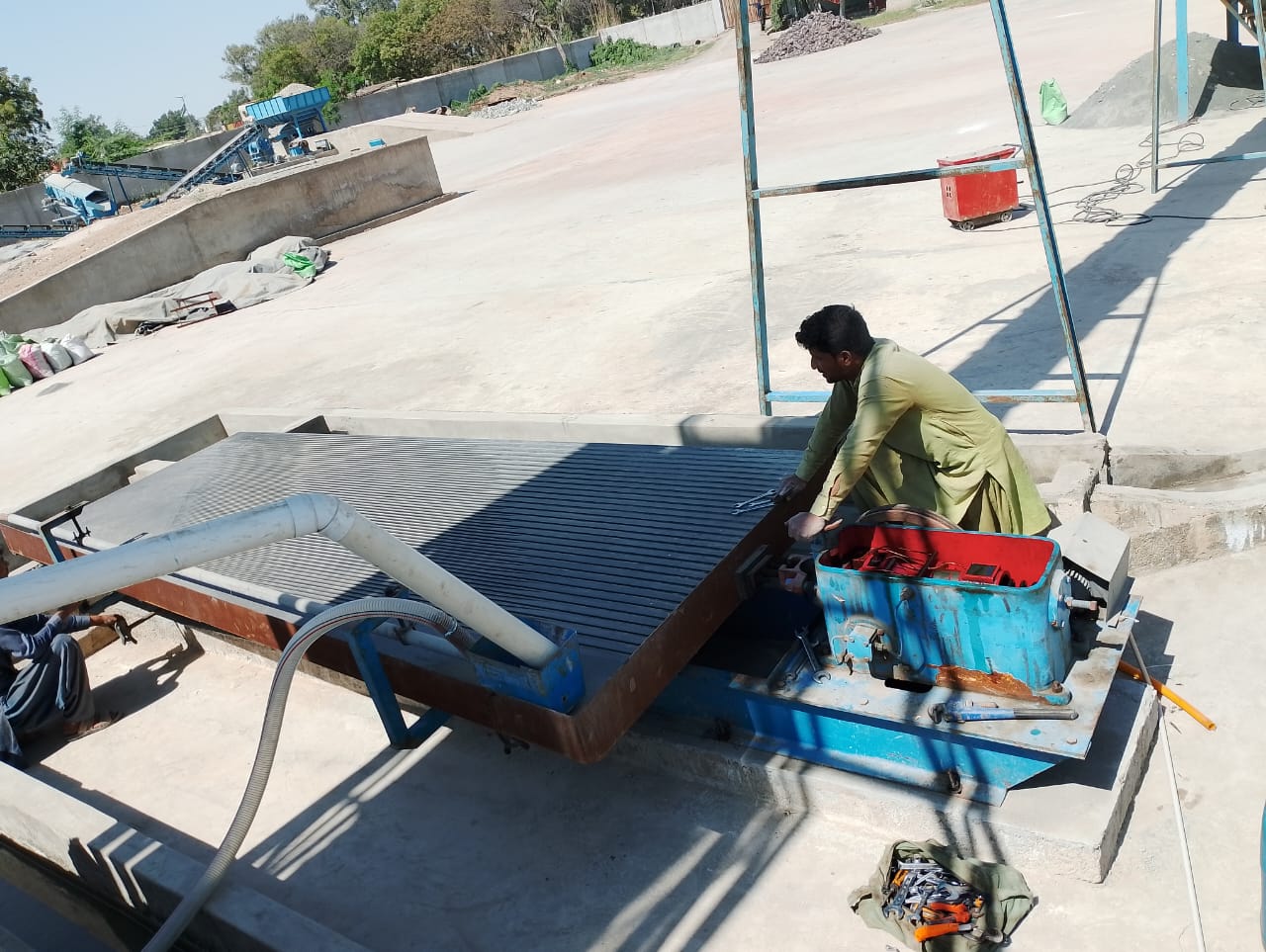
Research and Development (R&D) in minerals processing labs are vital for advancing the efficiency, sustainability, and innovation within the mining industry. These labs focus on improving techniques for extracting, processing, and refining minerals, ores, and metals. Here’s an outline of what such a lab might involve:
Mineral Characterization: This involves analyzing the composition and properties of different minerals. Techniques like X-ray diffraction (XRD), scanning electron microscopy (SEM), and atomic absorption spectroscopy (AAS) are commonly used for this purpose.
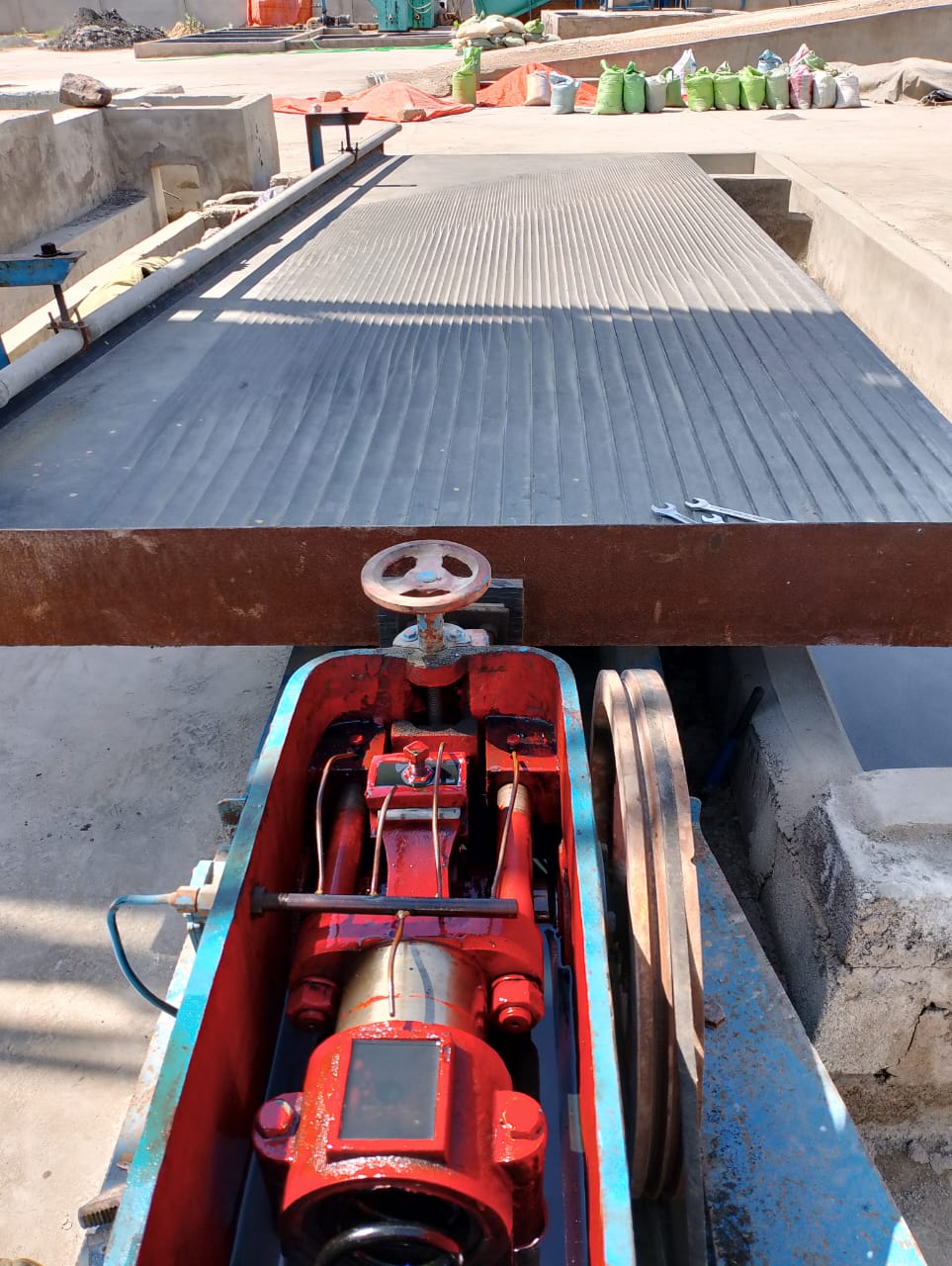
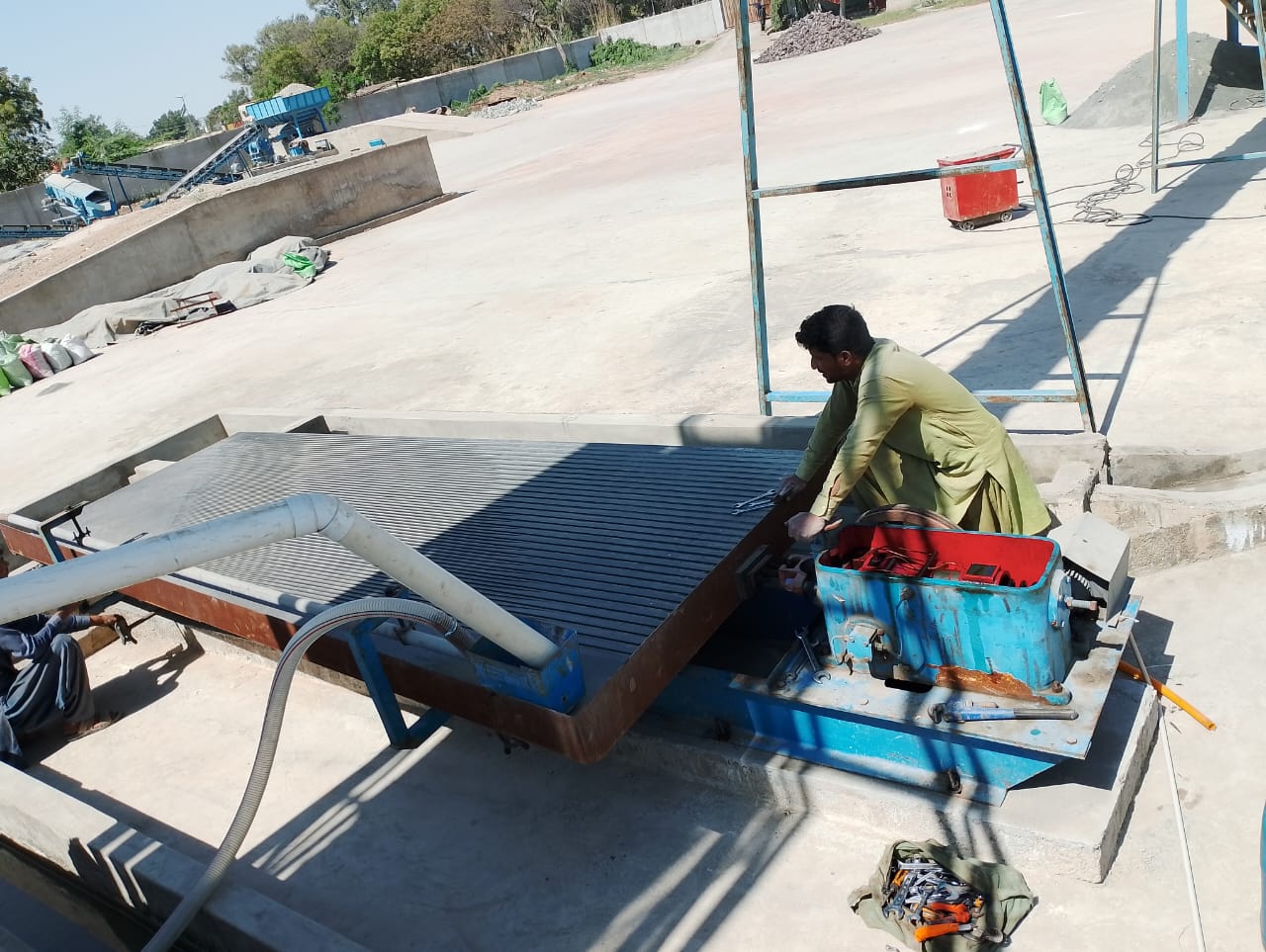
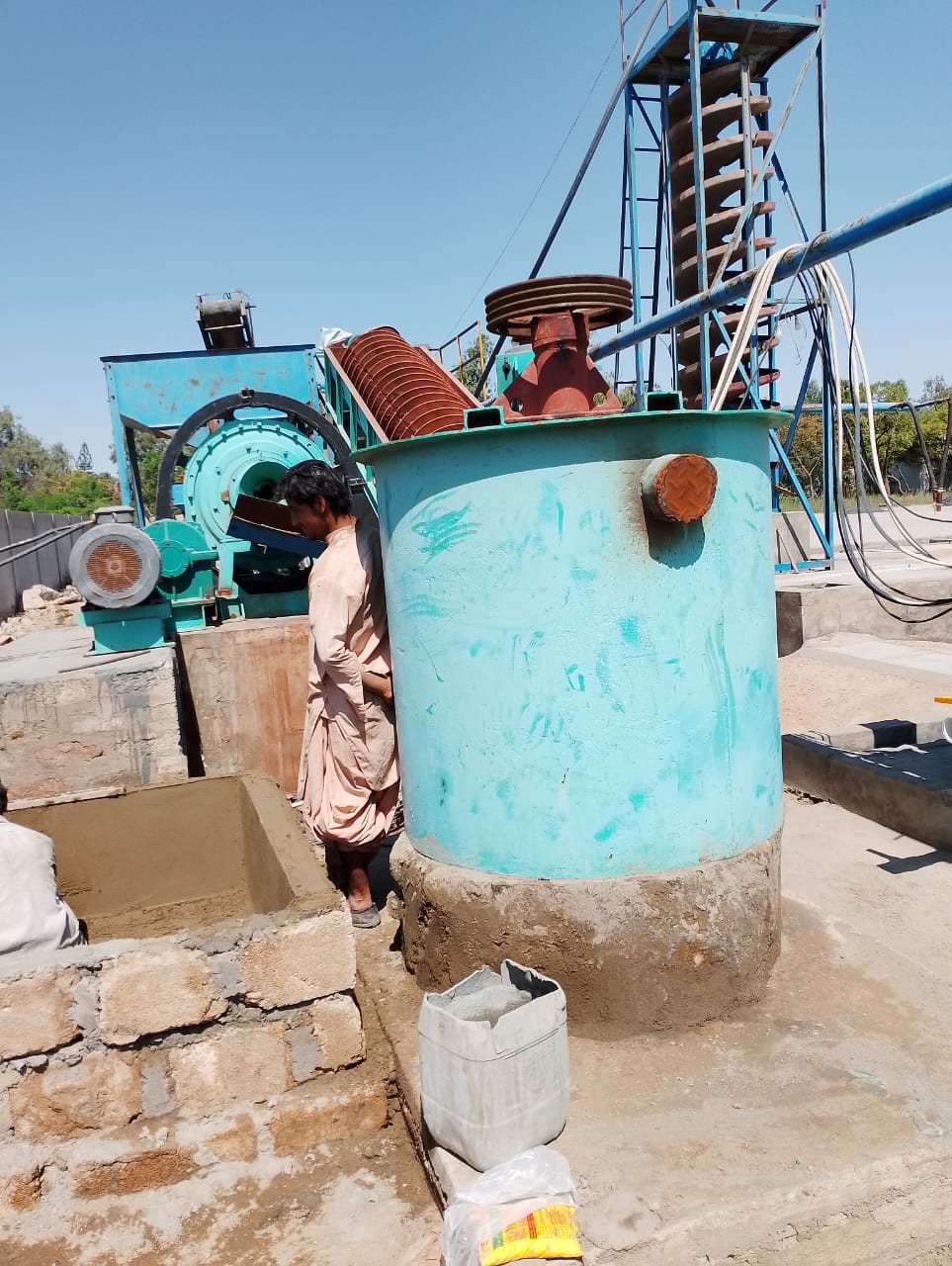
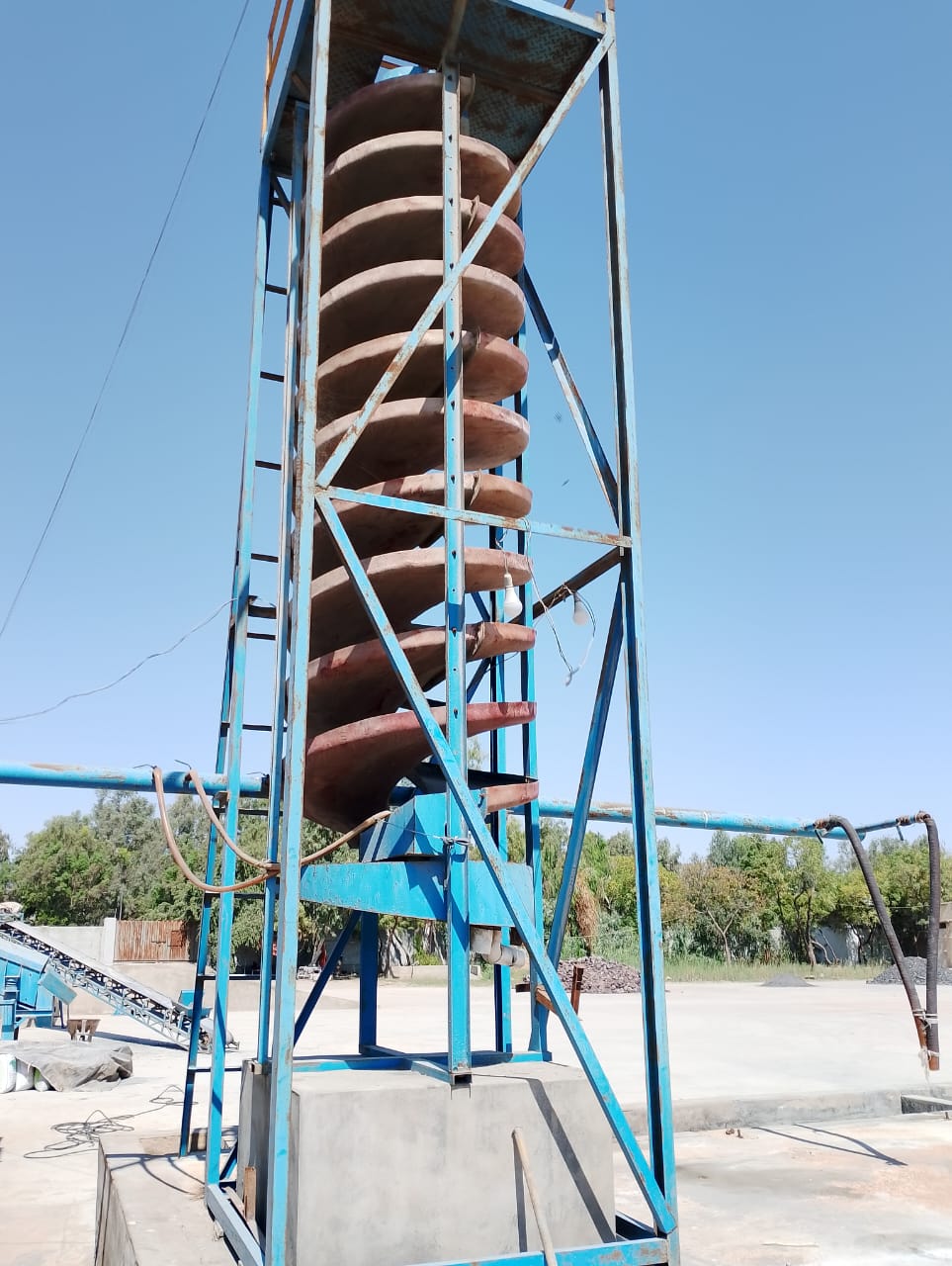
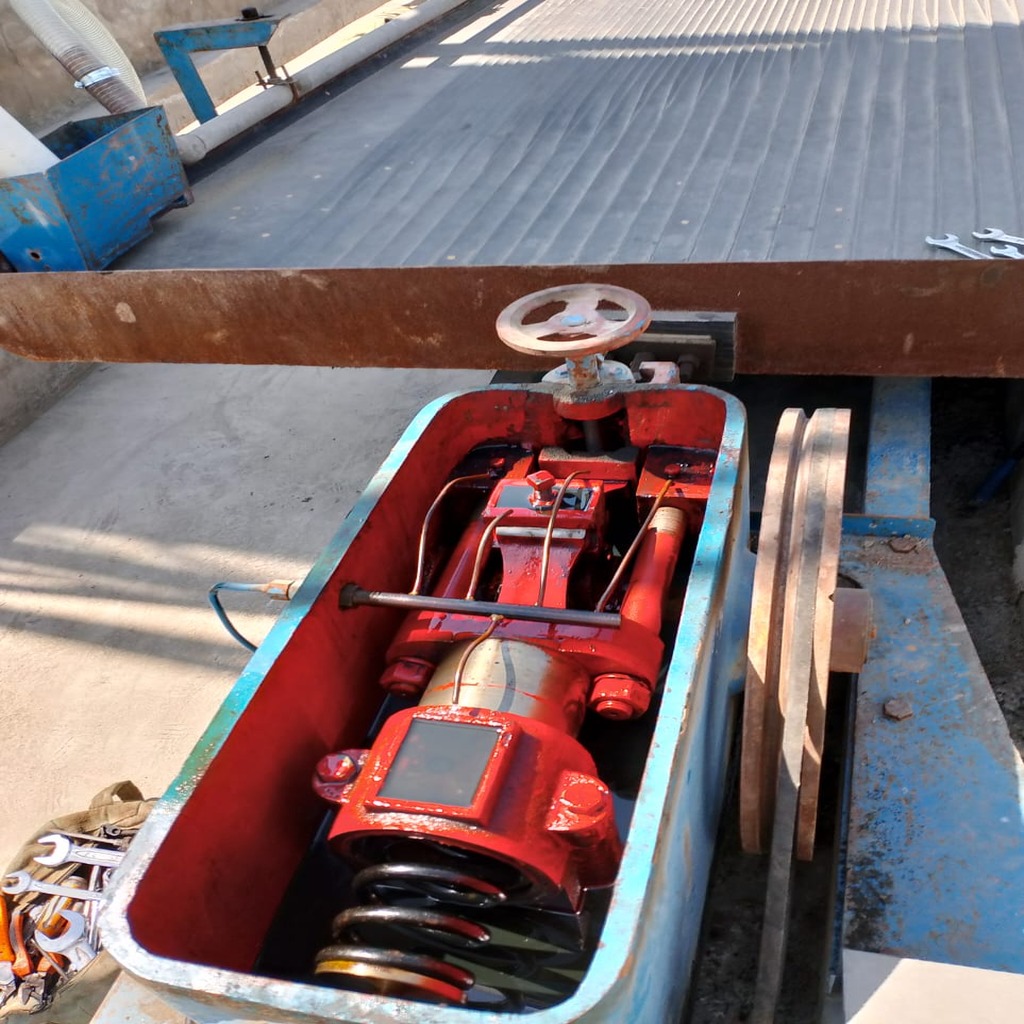
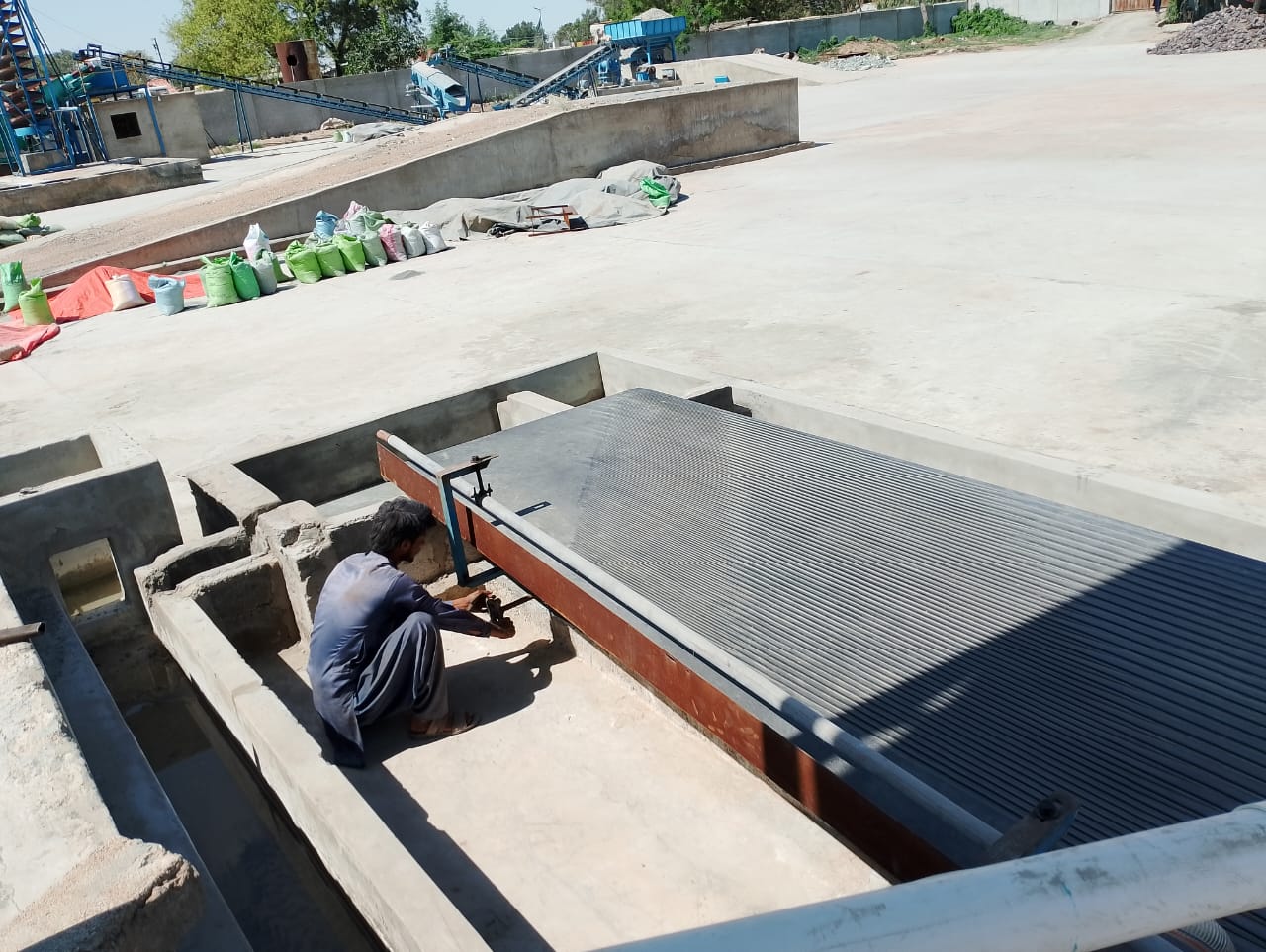
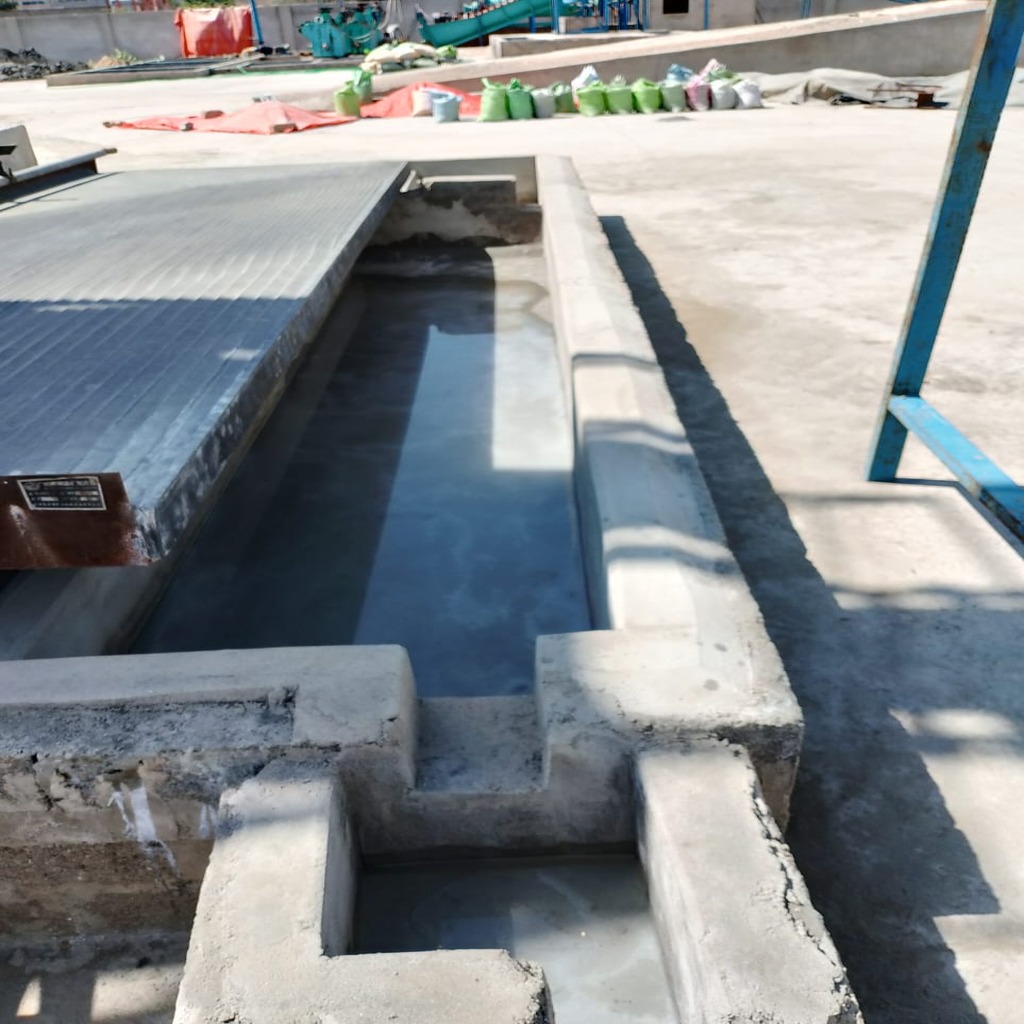
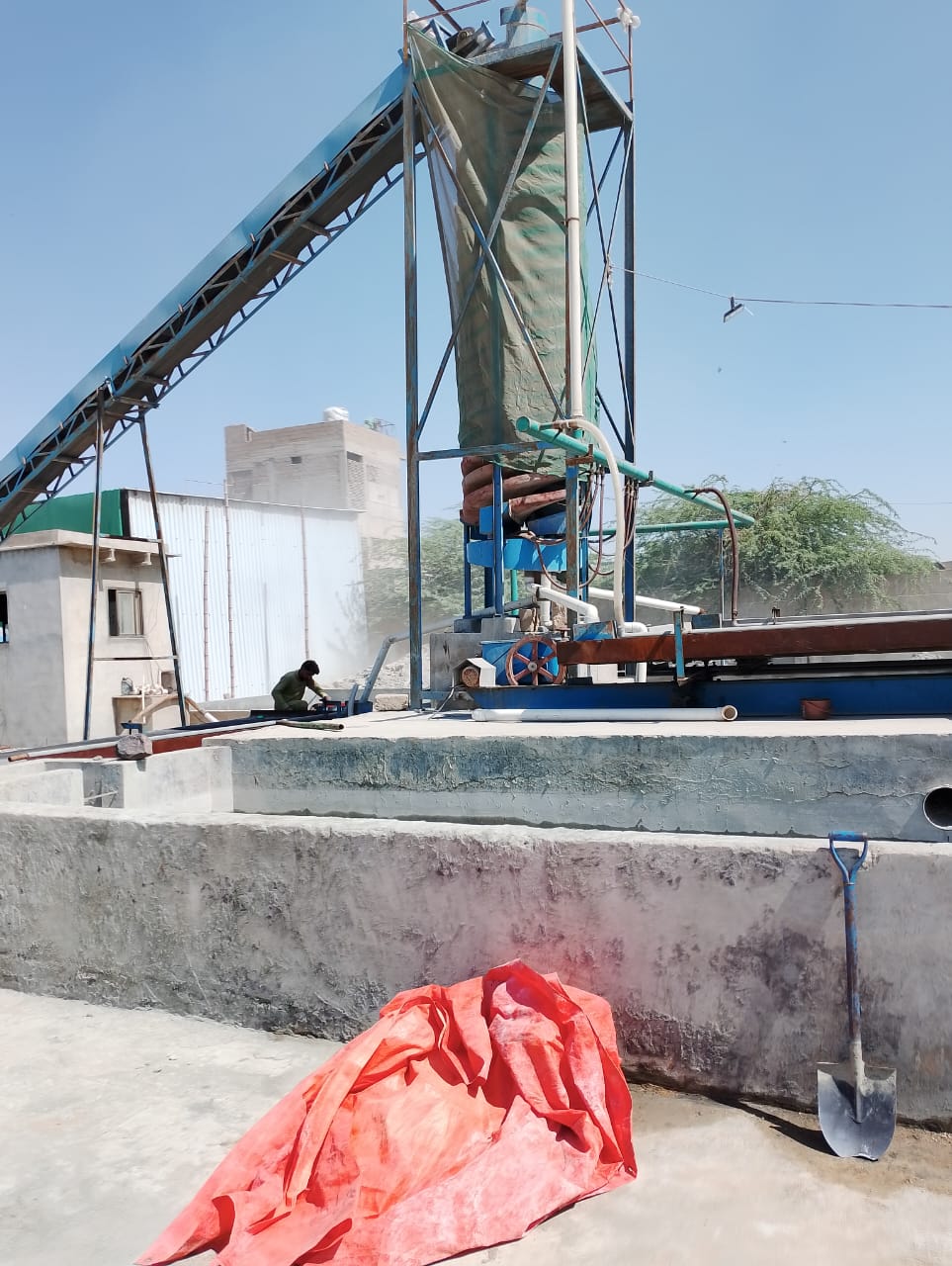
Ore Beneficiation: Research in this area aims to enhance the process of separating valuable minerals from the ore matrix. Techniques might include flotation, gravity separation, magnetic separation, and leaching studies.
Process Optimization: Labs work on optimizing the processes involved in mineral extraction and refining to increase efficiency and reduce environmental impact. This might involve studying parameters like temperature, pressure, pH, and chemical reagents.
Waste Management: Research focuses on developing methods to minimize waste generation and improve the treatment of tailings and other waste streams to mitigate environmental impact.
Resource Recovery: Efforts are made to recover valuable metals and minerals from waste streams and byproducts generated during processing.
Automation and Digitalization: Labs explore the integration of automation, robotics, and digital technologies like machine learning and data analytics to improve process control and efficiency.
Environmental Impact Assessment: Labs conduct studies to assess the environmental impact of mineral processing operations and develop strategies to mitigate negative effects.
Energy Efficiency: Research is conducted to optimize energy usage in mineral processing operations, including exploring alternative energy sources and improving energy recovery methods.
Safety and Health: Labs focus on developing safety protocols and technologies to ensure the well-being of workers in mineral processing facilities.
Collaborative Projects: Collaboration with industry partners, academic institutions, and government agencies is common to leverage resources and expertise for tackling complex challenges in mineral processing.
Innovation and New Technologies: Labs are hubs for innovation, constantly exploring new technologies and methodologies to push the boundaries of what’s possible in mineral processing.
Overall, R&D in minerals processing labs plays a crucial role in driving advancements in the mining industry, leading to more sustainable and efficient practices while also addressing environmental and social concerns.